


A Complete Guide to Clay Bricks: Manufacturing, Benefits, and Construction Uses


Clay bricks are one of the most widely used building materials in construction. They are used for walls, partitions, boundary walls, residential buildings, commercial projects, and many other structures.
If you are comparing clay brick manufacturers, it is useful to understand how clay bricks are made, what benefits they offer, and where they can be used. Quality, size, strength, consistency, pricing, and availability are important factors when selecting bricks.
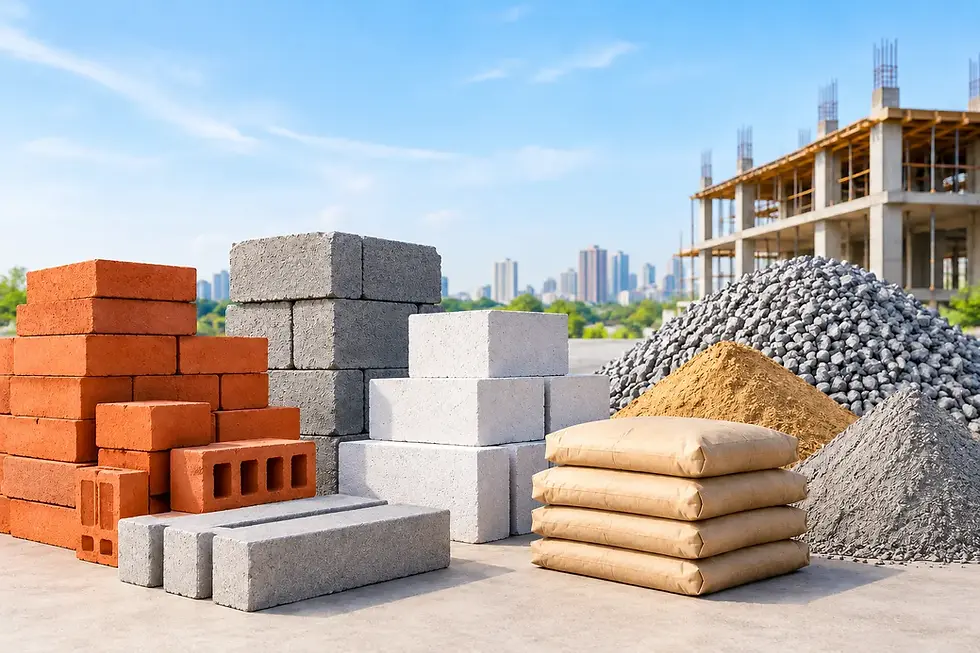
Chhikara Builders supplies building materials for construction projects and offers options such as red bricks, fly ash bricks, and AAC blocks.
What Are Clay Bricks?
Clay bricks are masonry units made primarily from natural clay. The clay is shaped into the required size and then dried and fired at high temperatures.
The firing process makes the bricks hard and durable. Proper manufacturing also helps produce bricks with consistent shape, colour, and strength.
Clay bricks are available in different sizes and grades based on regional practices and construction requirements.
How Are Clay Bricks Manufactured?
The manufacturing process involves several stages. Each stage plays an important role in the quality of the finished brick.
1. Preparing the Clay
Raw clay is collected and prepared for production. Unwanted materials such as stones and other impurities may be removed before processing.
The clay is then mixed with water to achieve a suitable consistency for shaping.
2. Moulding
The prepared clay is formed into brick shapes using moulds or brick-making equipment. Proper moulding helps maintain consistent dimensions.
Uniform size can make brickwork easier and help create better alignment during construction.
3. Drying
Freshly moulded bricks contain moisture and need to be dried before firing. Controlled drying helps reduce the risk of cracks and deformation.
The drying process may vary depending on the manufacturing method and environmental conditions.
4. Firing
The dried bricks are fired in a kiln at high temperatures. This process hardens the clay and gives the bricks their required strength and durability.
Temperature control is important during firing because it can affect the final quality of the bricks.
5. Quality Checking
Finished bricks can be checked for size, shape, colour, surface condition, strength, and other relevant properties.
Reliable clay brick manufacturers follow suitable quality practices to maintain consistency across production batches.
Benefits of Clay Bricks
Clay bricks offer several practical benefits for construction.
Durable Building Material
Properly manufactured and fired clay bricks can provide long-term durability. They are widely used in walls and other masonry applications.
Natural Appearance
Clay bricks have a traditional appearance that works well with many architectural styles. Their natural colour and texture can also provide an attractive finish.
Good Thermal Performance
Clay masonry can help moderate temperature changes in buildings. The actual thermal performance depends on wall thickness, construction design, insulation, and local climate.
Easy to Use
Clay bricks are familiar to many construction workers and are commonly used with standard masonry methods. Their consistent shape can support straightforward installation.
Common Construction Uses
Clay bricks are used in many types of construction projects. Common applications include:
Residential walls
Commercial buildings
Partition walls
Boundary walls
Small structures
Architectural features
Renovation projects
The appropriate brick type should be selected according to the structural and design requirements of the project.
Clay Bricks vs. Fly Ash Bricks
Both clay bricks and fly ash bricks are used in construction, but they have different manufacturing processes and characteristics.
Clay bricks are made primarily from clay and are fired in kilns. Fly ash bricks are manufactured using fly ash, cement, sand or stone dust, and water, followed by moulding and curing.
When comparing the two, consider size, strength, water absorption, surface finish, availability, transportation, cost, and project requirements.
How to Choose Reliable Clay Brick Manufacturers
Selecting the right supplier is important, especially for large construction projects. Start by checking product quality and consistency.
Ask the manufacturer about brick dimensions, strength, water absorption, manufacturing process, available quantities, and quality checks.
You should also check whether the manufacturer can supply the required quantity on time. Consistent supply can help avoid delays during construction.
Comparing Brick Brands and Suppliers
Customers may find different brick brands in India when researching construction materials. Instead of focusing only on the brand name, compare product specifications and suitability.
People often search for clay brick suppliers near me or brick suppliers near me when they need faster delivery. Local availability can be useful, but quality and supply reliability should also be considered.
When comparing brick manufacturers in India, look at manufacturing capacity, product range, pricing, delivery coverage, and customer support.
Compare Clay Brick Prices With Other Materials
Price is an important part of construction planning. However, the cost of one brick does not always represent the complete cost of construction.
Customers may also compare AAC block price with clay brick prices. AAC blocks are larger and lighter than traditional bricks, so the comparison should include material quantity, transportation, mortar, labour, and installation.
The best choice depends on the building design and project requirements.
Understanding Fly Ash Bricks Manufacturers
When considering alternatives, customers may also research fly ash bricks manufacturers. These manufacturers produce bricks using fly ash and other binding materials through a controlled moulding and curing process.
Fly ash bricks can offer consistent dimensions and a uniform finish. However, the suitable material should be selected based on the specific construction application.
Why Choose Chhikara Builders?
Chhikara Builders provides building materials for residential and commercial construction requirements. Its product range includes red bricks, fly ash bricks, and AAC blocks.
Customers can discuss their project requirements and compare suitable material options based on construction needs, quantity, availability, and budget.
A reliable supplier can make material planning easier by helping customers understand available options.
Quick Answer: What Are Clay Bricks Used For?
Clay bricks are commonly used for residential and commercial walls, partition walls, boundary walls, renovation work, and other masonry applications.
Their suitability depends on the project design, required strength, construction method, and local building requirements.
Frequently Asked Questions
1. How are clay bricks manufactured?
Clay bricks are generally made by preparing natural clay, shaping it into brick forms, drying the moulded bricks, and firing them in a kiln. The finished bricks are then checked for quality.
2. How do I choose reliable clay brick manufacturers?
Check the manufacturer's product quality, brick size, strength, manufacturing process, consistency, production capacity, pricing, and delivery capability before placing an order.
3. Are clay bricks better than fly ash bricks?
Clay bricks and fly ash bricks have different properties and manufacturing processes. The right choice depends on the project requirements, material specifications, availability, cost, and construction method.
4. How can I find clay brick suppliers near me?
You can search for clay brick suppliers near me and compare local suppliers based on product quality, availability, delivery time, pricing, and customer support.
5. Should I compare AAC block price with clay brick prices?
Yes. Compare the complete construction cost, not only the unit price. Consider material quantity, wall coverage, mortar, labour, transportation, and installation requirements.
Final Thoughts
Clay bricks remain a practical choice for many construction applications. Understanding their manufacturing process, benefits, quality factors, and uses can help builders and homeowners make informed decisions.
When selecting clay brick manufacturers, compare product quality, consistency, specifications, pricing, and delivery capacity. Also consider alternatives such as fly ash bricks and AAC blocks when they suit your project.
Chhikara Builders provides red bricks, fly ash bricks, and AAC blocks for different construction requirements. Choosing the right material and a dependable supplier can help support smooth and efficient construction.

Comments